Last Updated on 16/05/2026
Most travellers know Odisha for three things: the Jagannath Temple at Puri, the Konark Sun Temple, and Chilika Lake. What they don’t realise is that Odisha, formerly known as Orissa, is one of the most underrated states in India — home to a UNESCO World Heritage Site, Asia’s largest brackish water lake, one of India’s best tiger reserves, ancient Buddhist monasteries, tribal cultures untouched for centuries, and beaches that make Goa look crowded.
This guide covers the best tourist places in Odisha for 2026 — from the famous to the genuinely hidden — with best time to visit, how to reach each, and what to actually expect when you get there.
Odisha at a Glance — Quick Facts 2026
| Detail |
Information |
| State Capital |
Bhubaneswar |
| Best Time to Visit |
October to March (peak season) |
| UNESCO World Heritage Site |
Konark Sun Temple (since 1984) |
| Nearest Airport |
Biju Patnaik International Airport, Bhubaneswar |
| Famous For |
Kalinga temple architecture, Jagannath culture, Odissi dance, tribal heritage, beaches |
| Odisha Golden Triangle |
Bhubaneswar + Puri + Konark — most popular 3-day circuit |
| Rath Yatra 2026 |
July 2026 (exact date TBC by Hindu calendar) — Puri |
The Odisha Golden Triangle — Bhubaneswar, Puri & Konark
The Odisha Golden Triangle is the most popular 3-day circuit for first-time visitors — covering the state capital Bhubaneswar (Temple City), the sacred Puri (Jagannath Dham), and Konark (UNESCO Sun Temple). All three are within 65 km of each other and can be covered comfortably in 3 days.
01. Bhubaneswar — Temple City of India
| Nickname |
Temple City of India |
| Famous For |
Lingaraj Temple, Mukteswar Temple, Rajarani Temple, Odisha State Museum |
| Best Time to Visit |
October to March |
| How to Reach |
Biju Patnaik International Airport (5 km from city), Bhubaneswar Railway Station |
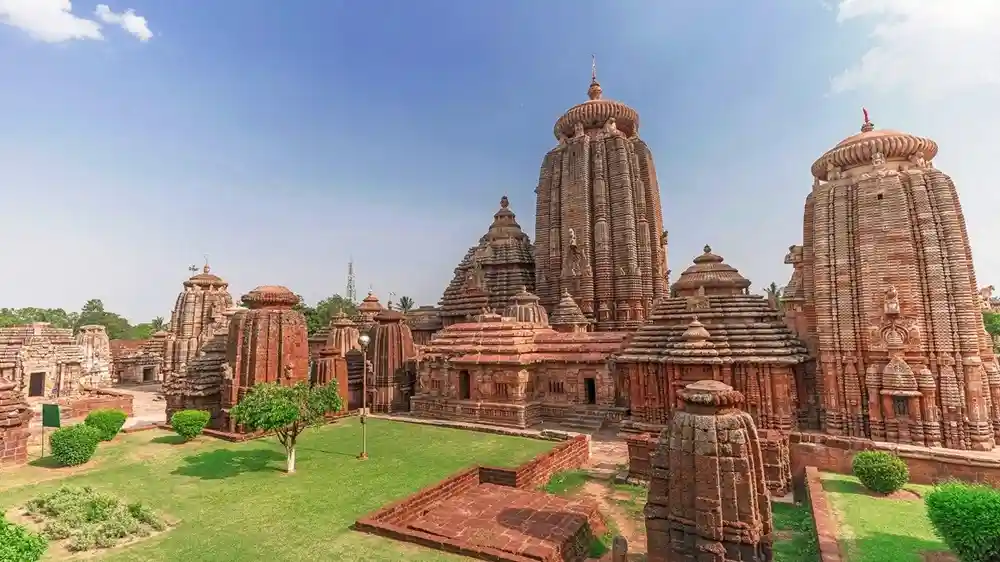
Bhubaneswar is the capital city of Odisha and represents a perfect balance of past and present — ancient monuments and temples alongside modern infrastructure. Once home to over 700 temples (of which around 600 survive), it earned its title as the Temple City of India.
The Lingaraj Temple (11th century) is the most important of all — dedicated to Lord Harihara (a combined form of Shiva and Vishnu) and built in the Kalinga architectural style. The Mukteswar Temple (10th century), with its ornate torana gateway, is considered one of the finest examples of Odishan temple architecture. The Rajarani Temple (11th century) is unique for its intricate erotic sculptures on the outer walls. The Odisha State Museum houses one of the finest collections of Kalinga sculptures in India.
What most people miss: Dhauli Shanti Stupa (8 km from city) — a white Buddhist peace pagoda on the Dhauli Hills where Emperor Ashoka had his famous transformation after the Kalinga War in 261 BCE. The Ashokan Rock Edicts here are among the oldest inscriptions in India.
02. Konark — Home of the UNESCO Sun Temple
| Famous For |
Konark Sun Temple (UNESCO World Heritage Site, 1984) |
| Architecture |
Built as a chariot with 24 intricately carved stone wheels, 7 horses |
| Nearby |
Chandrabhaga Beach (3 km), Konark Dance Festival (December) |
| Best Time |
October to March; December for Konark Dance Festival |
| Entry Fee (approx.) |
₹40 Indians / ₹600 foreigners — verify at site |
| Distance from Bhubaneswar |
64 km (1.5 hours) |
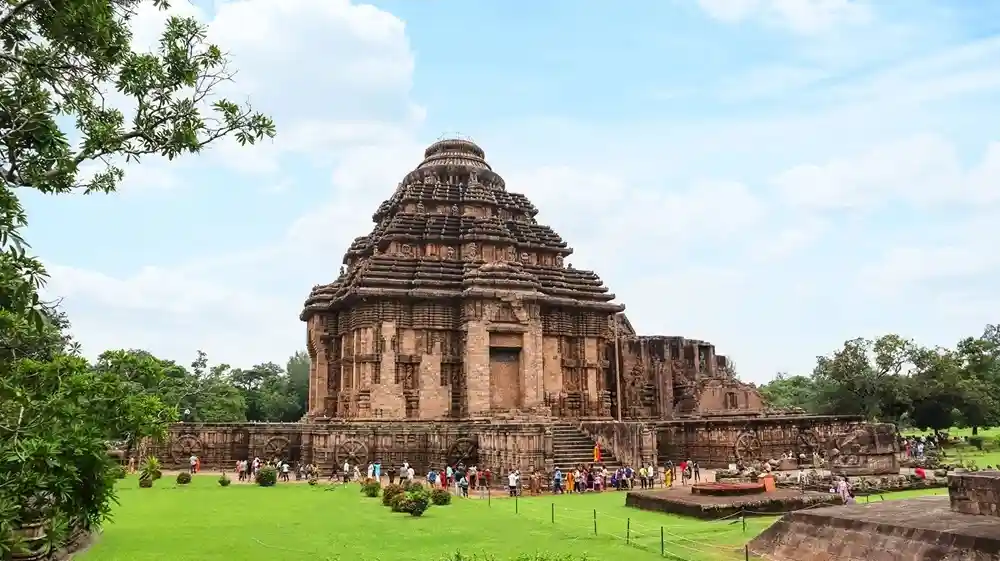
The Konark Sun Temple is Odisha’s most famous landmark — a 13th-century temple dedicated to Surya, the Sun God, designed entirely as a colossal stone chariot with 24 elaborately carved wheels and seven horses pulling it toward the sunrise. Built by King Narasimhadeva I of the Eastern Ganga Dynasty around 1250 CE, it is one of the greatest architectural achievements in Indian history.
The temple was added to UNESCO’s World Heritage List in 1984. Known as the ‘Black Pagoda’ by early European mariners (who used it as a navigation landmark), its erotic sculptural panels on the outer walls rival those at Khajuraho. The stone wheels are not merely decorative — they function as sundials, with the spoke shadows indicating the time of day with remarkable precision.
The annual Konark Dance Festival (first week of December) draws classical dancers from across India who perform Odissi, Bharatanatyam, Kuchipudi, and other forms against the illuminated temple backdrop — one of the finest cultural events in eastern India.
03. Puri — Abode of Lord Jagannath and Char Dham
| Nickname |
Jagannath Puri, Purushottam Kshetra |
| Famous For |
Jagannath Temple (Char Dham), Rath Yatra, Puri Beach |
| Rath Yatra 2026 |
July 2026 (exact date based on Hindu calendar) |
| Temple Entry |
Non-Hindus not permitted inside Jagannath Temple |
| Best Time |
October to March; July for Rath Yatra |
| Distance from Bhubaneswar |
60 km (1.5 hours) |
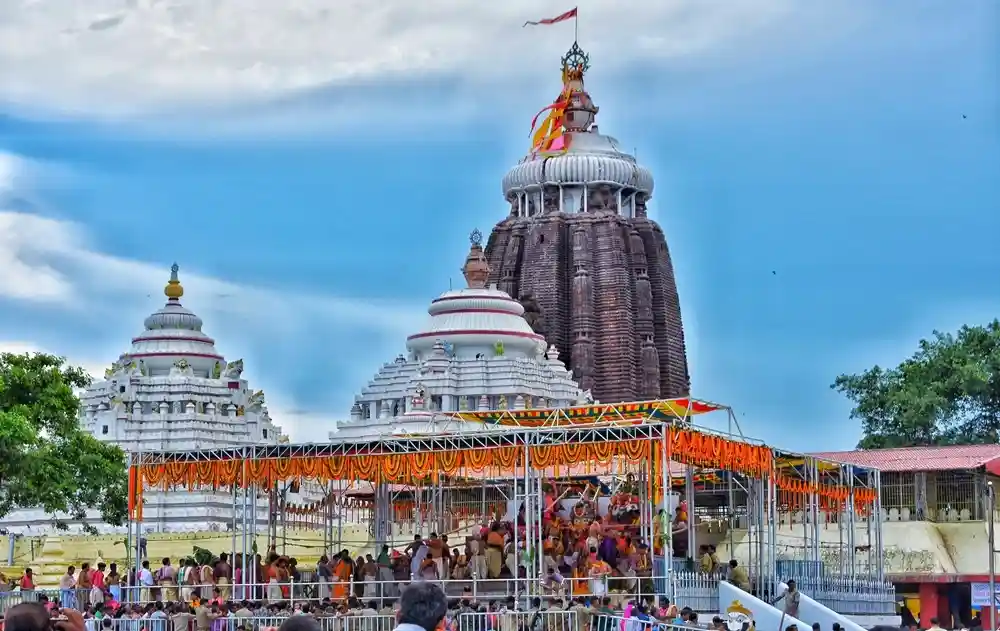
Puri is known as the ‘abode of Lord Jagannath’ and forms one of the four sacred Char Dhams of Hinduism (alongside Badrinath, Dwarka, and Rameswaram). The Jagannath Temple, built in the 12th century, dominates the town from its 65-metre shikhara tower. The temple kitchen (Mahaprasad) is said to be the world’s largest, feeding thousands of devotees daily. Non-Hindus are not permitted inside — but a view from the Raghunandan Library rooftop opposite the main entrance gives a clear view of the temple top.
The Rath Yatra (Chariot Festival) of Puri is one of the world’s largest religious gatherings — drawing over a million devotees. Three massive wooden chariots carrying Lord Jagannath, Lord Balabhadra, and Devi Subhadra are pulled through the streets by thousands of devotees. The chariots are freshly built each year from specific trees. In 2026, this falls in July — confirm the exact date as it is determined by the Hindu lunar calendar.
Puri Beach, stretching for 8 km along the Bay of Bengal, is one of the most visited beaches in eastern India — with clean golden sands, active fishing boats launching at dawn, and evening fishing activity that makes for striking photographs.
04. Chilika Lake — Asia’s Largest Brackish Water Lake
| Size |
1,100 sq. km (largest brackish water lake in Asia) |
| Districts |
Ganjam, Khurda, Puri |
| Famous For |
Irrawaddy dolphins, 160+ migratory bird species, Nalabana Bird Sanctuary |
| Best Time |
November to February (migratory bird season) |
| Key Activities |
Boat ride, bird watching, dolphin spotting, Kalijai Temple visit |
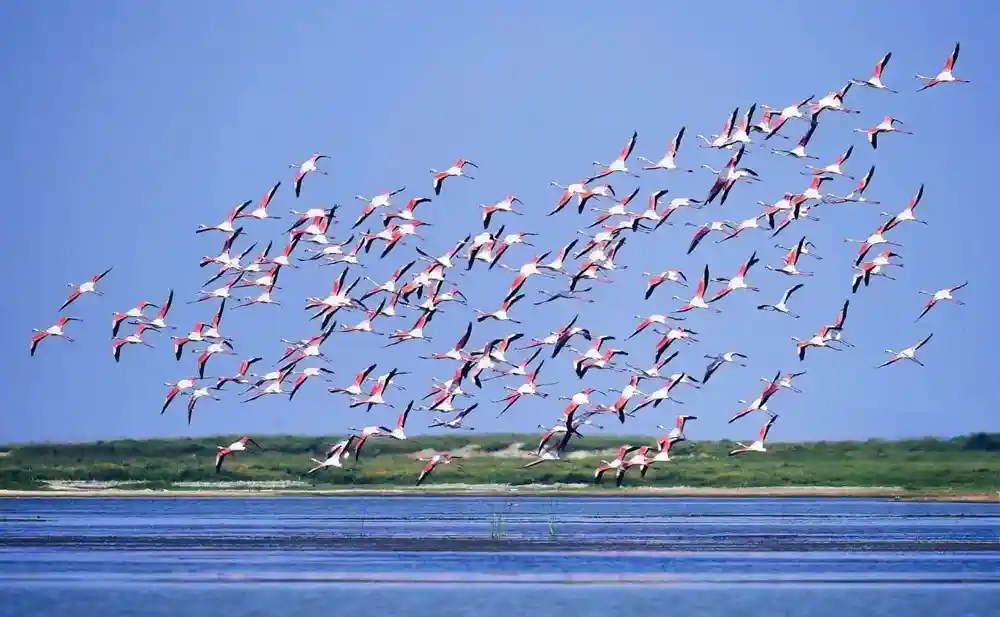
Chilika Lake is the largest brackish water lake in Asia — a UNESCO Ramsar Wetland of International Importance, spread across three districts. From November to February, the lake hosts over 160 species of migratory birds arriving from Siberia, Mongolia, Iran, and the Himalayan foothills — flamingos, herons, pelicans, grey-lag geese, and the rare Irrawaddy dolphins that live in the lake year-round.
The Nalabana Bird Sanctuary within the lake is the primary nesting ground for the migratory birds and sees the highest concentration between December and January. A boat ride from Barkul or Rambha on the lake shore to the sanctuary islands is one of the finest wildlife experiences in eastern India. The Kalijai Temple, located on a small island in the middle of the lake, is a pilgrimage site for local devotees, accessible by boat.
05. Simlipal National Park — Odisha’s Flagship Tiger Reserve
| Location |
Mayurbhanj district |
| Area |
2,750 sq. km (one of India’s largest tiger reserves) |
| Famous For |
Royal Bengal tigers (95+), elephants (400+), leopards, 230+ bird species |
| Best Time |
November to June (closed during monsoon July–October) |
| Key Attractions |
Barehipani Waterfall (399m), Joranda Waterfall, Chahala meadows |
| Entry |
Forest department permit required — book in advance |
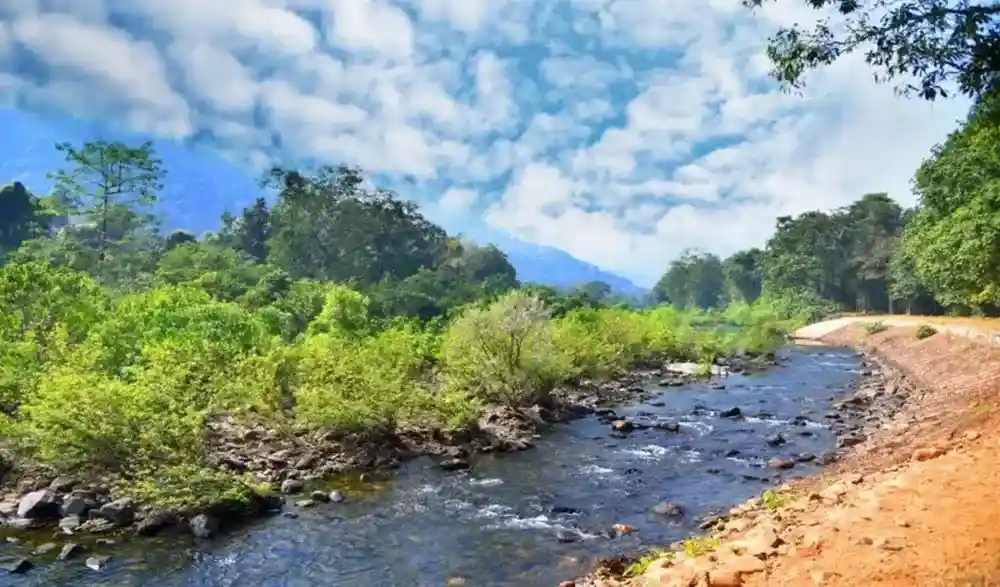
Simlipal is one of India’s largest and most important tiger reserves — a Project Tiger reserve in the Mayurbhanj district, covering 2,750 sq. km of sal forest, grasslands, and plateaus. The park hosts over 95 Royal Bengal tigers, 400+ elephants, leopards, mugger crocodiles, and more than 230 bird species. The two major waterfalls within the park — Barehipani (399 metres, one of India’s highest) and Joranda — are spectacular during and after monsoon.
In real life, Simlipal remains significantly less crowded than Ranthambore or Jim Corbett — which means better wildlife sighting odds and a more authentic safari experience. Forest department permits must be arranged in advance from the District Forest Officer, Baripada. The park is closed from July to October during monsoon.
06. Daringbadi — The Kashmir of Odisha
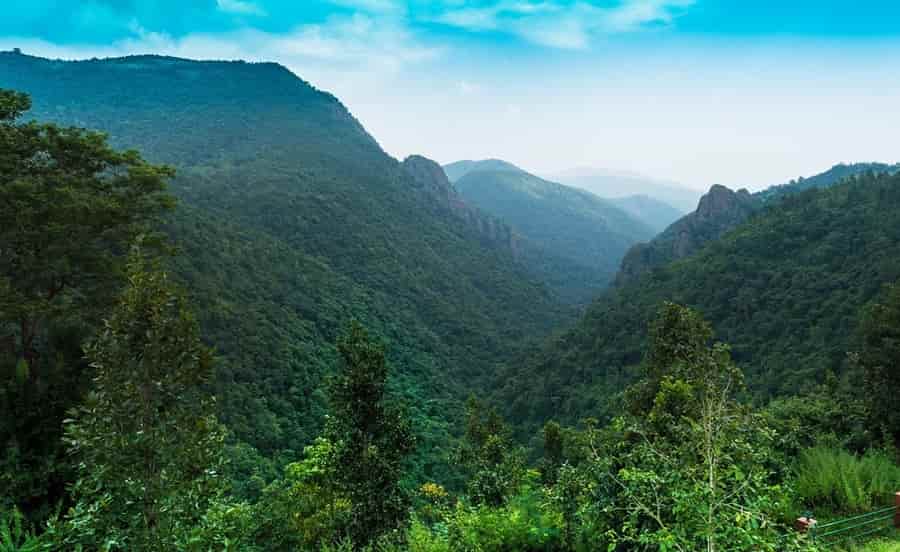
Located 1,100 metres above sea level in the Kandhamal district, Daringbadi is a hill station covered in coffee plantations, pine forests, and orchid gardens. Temperatures drop to near-zero in winter, and frost on the ground in December–January earns it the nickname ‘Kashmir of Odisha.’ The Phulbani pine forest, Hill View Park, and the Daringbadi Nature Camp are the key attractions. Best visited: November to February.
07. Bhitarkanika National Park — India’s Second Largest Mangrove
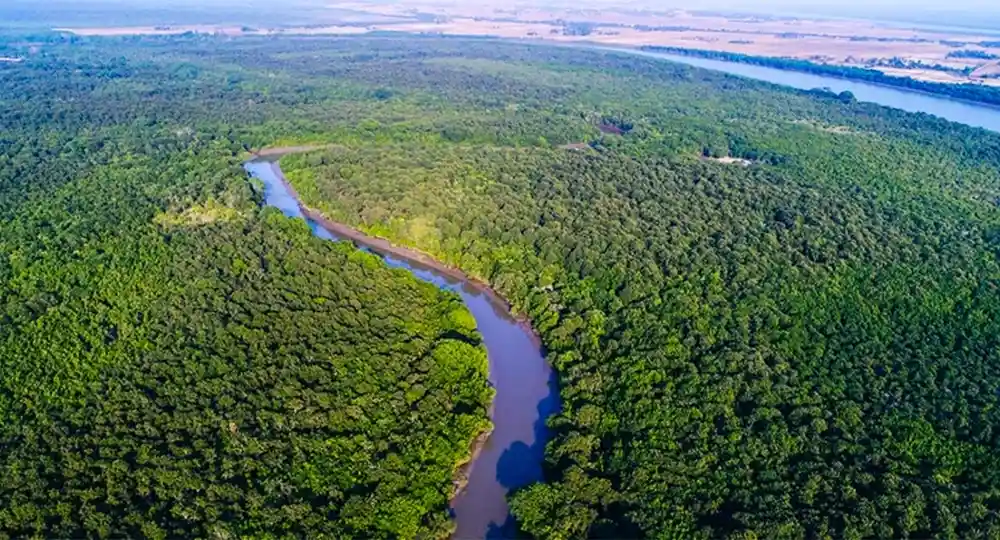
Located in the Kendrapara district, Bhitarkanika is home to India’s second largest mangrove forest and the world’s largest nesting colony of olive ridley sea turtles. The park hosts saltwater crocodiles, fishing cats, spotted deer, and over 200 bird species. The annual mass nesting of olive ridley turtles at Gahirmatha Beach (November to March) draws wildlife researchers and tourists from across the world — thousands of turtles arrive on a single night (called ‘arribada’). Forest department entry permit required.
08. Udayagiri and Khandagiri Caves — Jain Rock-Cut Heritage
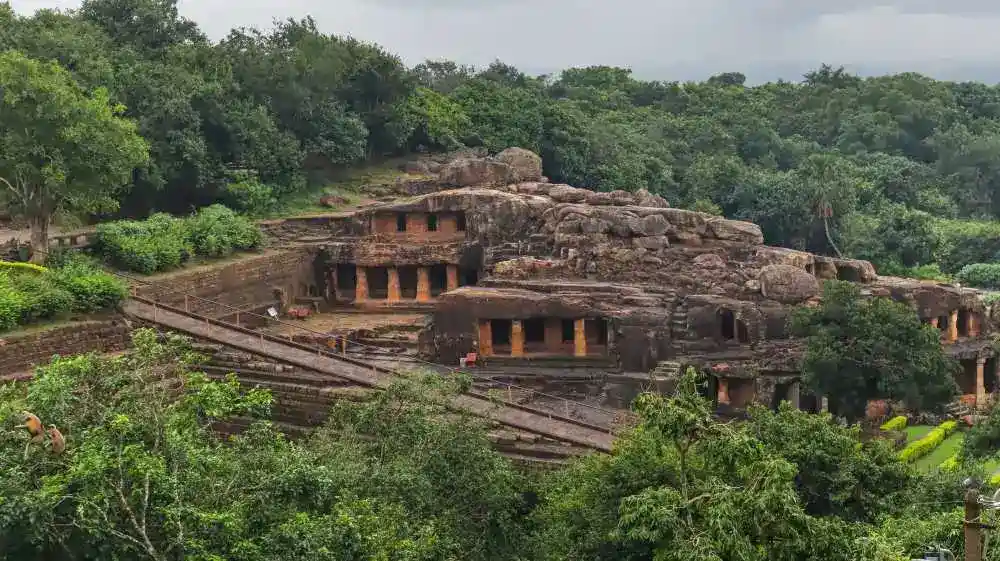
Located just 6 km from Bhubaneswar, Udayagiri and Khandagiri are twin hills with 33 rock-cut caves dating to the 1st century BCE — built during the reign of King Kharavela of the Mahameghavahana dynasty. The caves were used as residential quarters for Jain monks. The inscriptions here include the famous Hathigumpha Inscription of Kharavela, which provides one of the earliest accounts of early Indian political history. Entry: approximately ₹25 (Indians) / ₹300 (foreigners).
09. Raghurajpur — Pattachitra Crafts Village
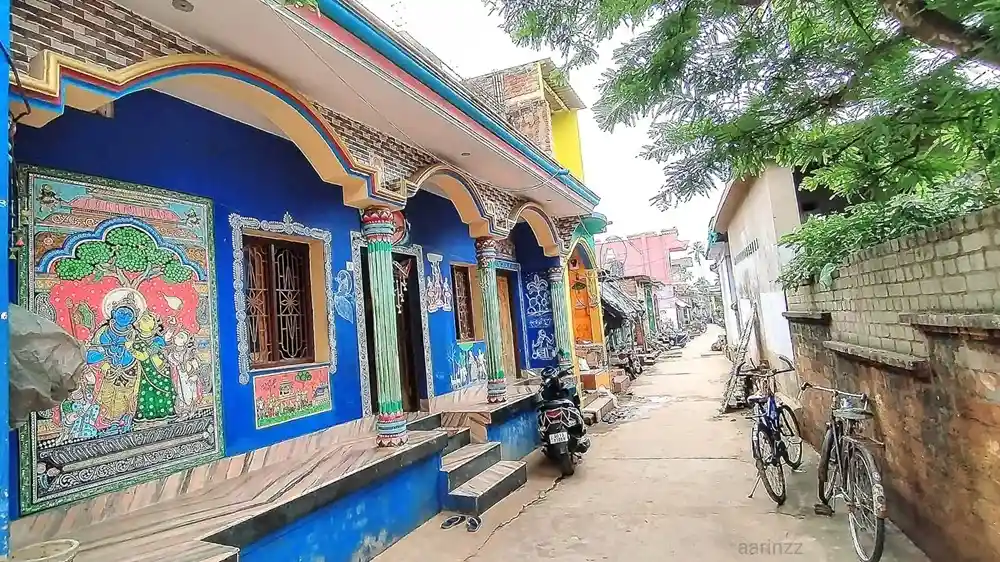
Located 14 km from Puri, Raghurajpur is India’s only heritage crafts village — where every household is home to a traditional artist. The village is famous for Pattachitra (scroll painting on cloth/palm leaf with natural colours), stone carving, Tussar silk painting, and palm leaf engraving. A Government of Odisha-supported heritage site, visitors can watch artisans at work and purchase directly from the craftspeople. No entry fee. A 2-hour visit is sufficient.
10. Dhauli Shanti Stupa — Ashoka’s Transformation Site
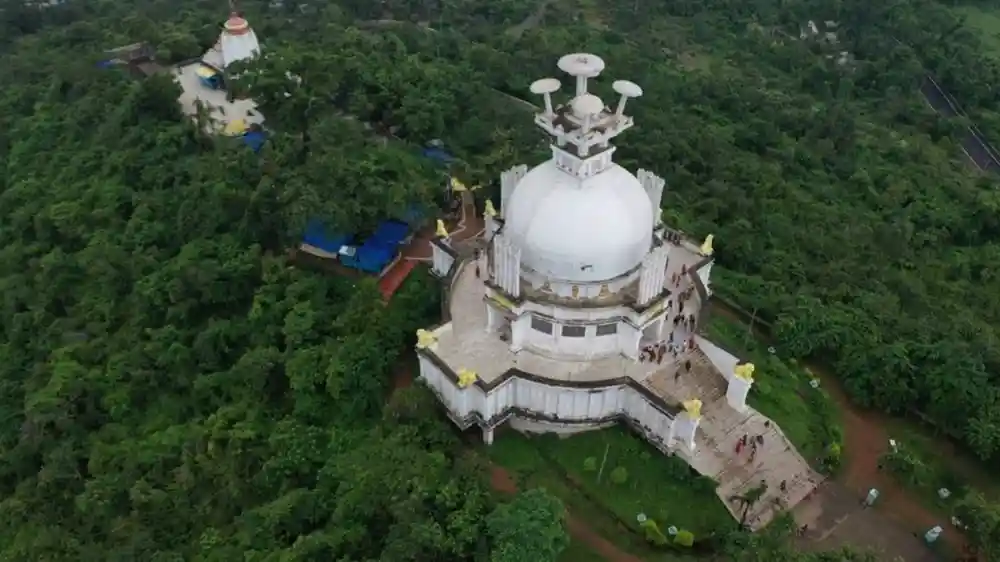
Located 8 km from Bhubaneswar on the Dhauli Hills above the Daya River, Dhauli is where Emperor Ashoka witnessed the devastation of the Kalinga War in 261 BCE — an event that prompted his conversion to Buddhism and non-violence. The ancient rock edicts of Ashoka are carved directly into the hillside. The modern white Japanese-built Shanti Stupa (Peace Pagoda) at the top is a Buddhist pilgrimage site. Entry free. Excellent views of the Daya River valley from the hill.
More Places to Visit in Odisha
The ‘other places’ list from the original page, with fuller context:
- Cuttack (Silver City, 27 km from Bhubaneswar): Cultural capital of Odisha, famous for its silver filigree craftsmanship. Key attractions: Barabati Fort (14th century), Cuttack Chandi Temple, Bhitarkanika Wildlife Sanctuary (2 hours away), Netaji Birthplace Museum. Best time: October to March.
- Rourkela (Steel City of Odisha): Industrial city with attractions including Khandadhar Waterfall (244m, one of Odisha’s highest), Vedavyas Temple at the Sangh of Shankh, Koel, and Jonk rivers, Mandira Dam, and Sunabeda Wildlife Sanctuary.
- Sambalpur: Gateway to western Odisha. Known for Hirakud Dam (one of Asia’s longest earthen dams), Samaleswari Temple, and Debrigarh Wildlife Sanctuary for birdwatching.
- Jeypore and Koraput: Gateway to Odisha’s tribal heartland. Home to the Kondh, Bonda, and Gadaba tribes. The weekly tribal haats (markets) — particularly at Onukudelli — offer an authentic cultural experience unlike anything else in India.
- Berhampur (Silk City): Famous for Odia silk weaving, Taratarini Temple (one of 52 Shakti Peethas), Taptapani hot springs, and Gopalpur-on-Sea beach.
Best Time to Visit Odisha
| Season |
Months |
Temperature |
Notes |
| Winter (Best) |
October–March |
10–28°C |
Perfect for temples, beaches, wildlife. Chilika bird watching peaks Dec–Jan. |
| Summer |
April–June |
30–40°C |
Hot and humid. Coast is bearable but inland is uncomfortable. |
| Monsoon |
July–September |
25–32°C |
Heavy rainfall. Simlipal closed. Waterfalls at peak. Rath Yatra in July. |
How to Reach Odisha
By Air
Biju Patnaik International Airport, Bhubaneswar is the main gateway — connected to Delhi, Mumbai, Kolkata, Hyderabad, Bangalore, and Chennai. Taxis to the city centre cost ₹300–500.
By Train
Bhubaneswar, Puri, and Cuttack are major railway junctions well-connected to Delhi (Purushottam Express, 30+ hours), Kolkata (2.5 hours), Chennai, and Hyderabad. Konark and Chilika are reached by road from Bhubaneswar.
By Road
National Highway NH-16 (Chennai–Kolkata) passes through Bhubaneswar. Bus services from Kolkata (6–7 hours), Vizag (8 hours), and Raipur connect to Bhubaneswar. OSRTC (Odisha State Road Transport) runs services across the state.
Odisha’s Famous Food — What to Eat
- Mahaprasad (Puri): The sanctified food offered to Lord Jagannath — 56 food items prepared daily in the temple kitchen. Available to all devotees outside the temple. A unique religious and culinary experience.
- Dalma: The signature dish of Odisha — lentils cooked with raw papaya, banana, jackfruit, and ghee, seasoned with panch phutana (five-spice blend). Found everywhere from temple towns to roadside dhabas.
- Pakhala Bhata: Fermented or water-soaked rice eaten cold with accompaniments — a cooling staple of Odishan summer cooking. Simple, healthy, and deeply traditional.
- Chhena Poda: Odisha’s most beloved sweet — roasted cottage cheese with sugar, baked until caramelized. Said to be Lord Jagannath’s favourite dessert. Found at every sweet shop in Puri.
- Rasgulla: Odisha claims the original invention of the rasgulla (the ‘Rasagola’). The courts have ruled that Odisha holds the GI tag for the Odia Rasagola. Try the Pahala variety from the Pahala roadside stalls between Bhubaneswar and Cuttack.
- Manda Pitha: Steamed rice dumplings stuffed with coconut and jaggery — a traditional festival food common during Pana Sankranti and other Odishan celebrations.
Frequently Asked Questions
Q1. What is Odisha most famous for?
Odisha is famous for the Jagannath Temple at Puri (one of the four Char Dhams), the Konark Sun Temple (UNESCO World Heritage Site), Chilika Lake (Asia’s largest brackish water lake), the Rath Yatra festival, Odissi classical dance, Pattachitra painting, and the tribal cultures of the Koraput region.
Q2. What is the best time to visit Odisha?
October to March is the best time — pleasant temperatures (10–28°C), clear skies, and all major attractions fully accessible. December to January is peak season for Chilika bird watching and Konark Dance Festival. July is the time for Rath Yatra in Puri but the monsoon makes travel difficult.
Q3. What is the Odisha Golden Triangle?
The Odisha Golden Triangle is the most popular 3-day circuit covering Bhubaneswar (Temple City), Puri (Jagannath Dham and beach), and Konark (Sun Temple). All three destinations are within 65 km of each other and can be comfortably covered in 3 days.
Q4. Can non-Hindus enter the Jagannath Temple in Puri?
No. The Jagannath Temple in Puri does not permit entry to non-Hindus. However, visitors can view the temple top from the Raghunandan Library rooftop opposite the main entrance. The beach and Rath Yatra are open to all.
Q5. What is the best way to reach Puri from Bhubaneswar?
By train (Bhubaneswar to Puri Junction, 60 km, approximately 1 hour) is the most convenient option. Shared taxis and OSRTC buses also cover this route. The drive by road takes 1.5 to 2 hours via NH-316.
Q6. Is Odisha safe for tourists?
Yes. Odisha is one of the safer tourist states in India. The major tourist areas — Bhubaneswar, Puri, Konark — are well-patrolled and tourist-friendly. Standard travel precautions apply, particularly in remote tribal areas where it is advisable to use a registered local guide.
Q7. What is Rath Yatra and when does it happen in 2026?
Rath Yatra is the chariot festival of Lord Jagannath in Puri — one of the world’s largest religious gatherings. Three giant wooden chariots carry the deities through the main street (Grand Road). In 2026, Rath Yatra falls in July (exact date is determined by the Hindu lunar calendar — confirm by early 2026).
Conclusion — Plan Your Odisha Trip 2026
Odisha remains one of India’s most underexplored heritage states despite having more to offer per square kilometre than most. A 5-day trip can cover the Golden Triangle (Bhubaneswar–Puri–Konark), Chilika Lake, and Raghurajpur. Add 3 more days for Simlipal or Bhitarkanika for wildlife. For tribal culture, the Koraput–Jeypore region requires at least 2–3 dedicated days with a local guide.
Book Odisha Tours: Visit namasteindiatrip.com/orissa-tour-packages | Call +91-9711616316 | Email: info@namasteindiatrip.com

 Call
Call Enquiry