Last Updated on 13/03/2026
India is not just its forts, beaches, or hill stations. A large part of what makes this country genuinely extraordinary lives in its villages — in the smell of wet soil after rain, in a fisherman pulling in his nets at dawn, in an artist painting mythological stories on palm leaves with colours made from stone and bark. Village tourism in India is the attempt to reach that side of the country — the part that no heritage hotel or tourist brochure fully captures.
What was once a niche concept has now become a recognised sector of Indian travel. The Government of India launched the Best Tourism Villages Competition in 2023 under the ‘Soul of India’ campaign, and in its second edition in 2024, the competition received 991 applications from 30 states and union territories — a 25% jump from the previous year. On World Tourism Day, 27 September 2024, the Ministry of Tourism recognised 36 villages across 8 categories including adventure, agri-tourism, heritage, crafts, and responsible tourism.
India’s Dhordo village in Gujarat also featured in the UN Tourism (UNWTO) Best Tourism Villages Upgrade Programme in 2024 — joining a global recognition programme that spans over 60 countries. That’s the scale at which village tourism in India is now being taken seriously.
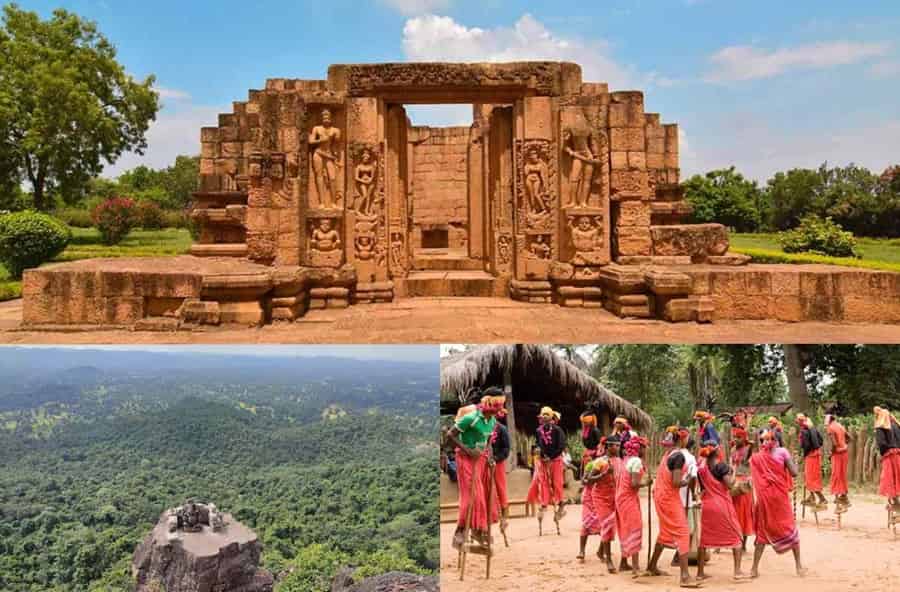
Why Village Tourism in India Is Worth Your Attention
There’s a version of India that never shows up in travel reels. The one where children chase goats across mustard fields at dusk, where the dal is cooked on firewood and tastes like nothing from any restaurant, where the night sky is actually dark. That’s what village tourism delivers — and increasingly, it’s what travellers are actively seeking.
The practical advantages are real too:
- Direct income goes to local families — not hotel chains or travel aggregators
- Crafts, food, and experiences are authentic, not curated for tourists
- Distances from major cities are manageable — most good village destinations are within 150–250 km of a metro
- Accommodation is basic but genuine — homestays, farm stays, tented camps
- Student groups, photographers, writers, and families with children all find something meaningful here
What most people don’t realise is that the economic impact is documented and significant. Raghurajpur in Odisha, for example, received 2,78,379 domestic tourists in 2024 alone — up from 44,542 in 2020. That footfall directly sustains over 160 artisan families in the village.
Government Push: What’s Changed Since 2023
The landscape for village tourism in India has changed substantially in the last two years. A few key developments worth knowing:
Best Tourism Villages Competition (2023–2024): Launched by the Ministry of Tourism as part of the ‘Soul of India’ initiative, this competition now runs annually. The 2024 edition saw 36 villages recognised across categories like Craft Tourism, Agri Tourism, Heritage Tourism, Adventure Tourism, and Responsible Tourism. Villages from Madhya Pradesh (Pranpur, Sabarvani, Ladpura Khas), Chhattisgarh (Dhudmaras), and others received national recognition.
UNWTO Upgrade Programme: India’s Dhudmaras village in Bastar, Chhattisgarh, was selected for the UN Tourism Best Tourism Villages Upgrade Programme in 2024 — making it one of 20 villages globally to receive this designation.
Dhordo, Gujarat: Recognised by UNWTO as a Best Tourism Village, Dhordo has become one of India’s most internationally visible rural tourism destinations, known for the annual Rann Utsav festival held from November to February in the white salt desert of Kutch.
These aren’t just awards. Recognition like this brings infrastructure investment, trained local guides, improved connectivity, and a steady flow of both domestic and international visitors.
Villages Worth Visiting — Updated
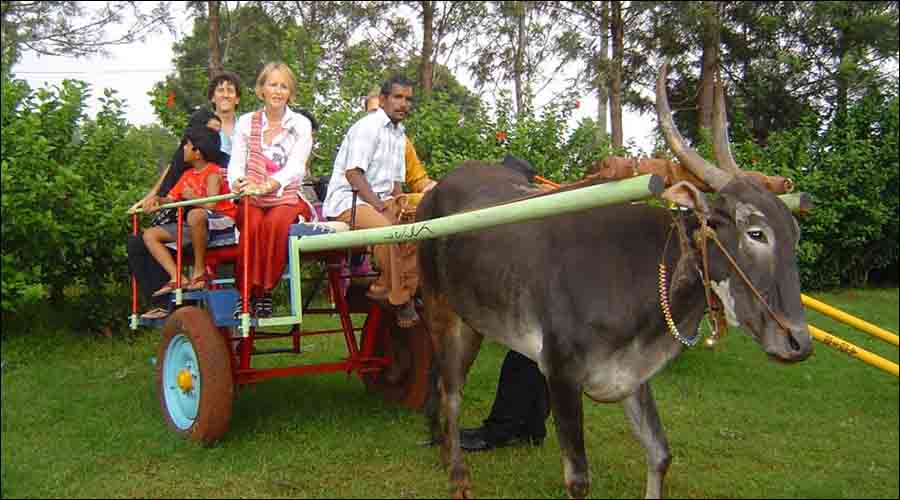
1. Purushwadi, Maharashtra — Fireflies, Tribe, and Real Countryside
Located in the Akole Taluka of Ahmednagar district, about 220 km from both Mumbai and Pune, Purushwadi is a tribal village nestled in the Western Ghats between rivers Kurkundi and Mula. The village is home to multiple indigenous tribes including the Mahadeo Koli, Warli, Kokana, and Katkari communities.
The village is managed under an eco-tourism model by NGO Grassroutes, which ensures that tourism income flows directly to local families through homestay arrangements. Visitors experience farm life, local cooking, and treks to the Kurkundi river — but the main draw is the annual Firefly Festival, held each year in late May and early June. During this window, thousands of fireflies illuminate the meadows after dark in one of the most unusual natural spectacles in Maharashtra.
Accommodation is basic — clean tented camps or homestays with Indian-style toilets and electricity. The experience, in exchange, is completely real.
Best time to visit: Late May to mid-June for the Firefly Festival. October to February for general rural exploration.
2. Diveagar, Maharashtra — Quiet Beaches and a Gold Idol
Around 170 km from Mumbai and 156 km from Pune, Diveagar is part of the Shrivardhan-Diveagar-Harihareshwar coastal circuit in the Raigad district of Maharashtra. It’s a village with a distinctly unhurried pace — long, largely empty beaches, coconut groves, and the smell of salt in the air.
The Suvarna Ganesha Temple is the village’s most celebrated landmark. The temple houses an idol of Lord Ganesha said to be cast in pure gold — drawing pilgrims and curious travellers in equal measure. Outside the temple, the beach itself is the destination. No jet skis, no shacks blasting music. Just an open shore that most coastal India has already lost to commercialisation.
Best time to visit: October to March. Avoid monsoon (June–September) when coastal roads flood and the sea is rough.
3. Kumbalangi, Kerala — India’s First Model Tourism Village
Kumbalangi is an island village 12 km from Kochi, declared India’s first ‘Model Tourism Village’ by the Kerala government. What makes it stand out is how completely the landscape changes the moment you enter — mangrove forests, interconnected water bodies, paddy fields growing the indigenous Pokkali variety of rice, and fishing nets stretched wide across the channels.
The village runs a well-developed community-based tourism programme. You can join a fisherman at dawn, go crab fishing, learn traditional net-weaving, or take a backwater boat cruise through the mangrove channels. Homestays are clean and comfortable. The crab curry cooked fresh from the morning’s catch is, without exaggeration, the kind of meal people remember for years.
Kumbalangi’s model is often cited by tourism planners as a benchmark for how village tourism can be done sustainably — where the community controls the product and captures the economic benefit.
Best time to visit: October to February. Avoid peak summer (March–May) when humidity is high.
4. Naggar, Himachal Pradesh — An Ancient Village Above the Kullu Valley
Naggar sits at around 1,760 metres above sea level, 21 km from Kullu, on the left bank of the Beas river. It’s one of the oldest continuously inhabited villages in Himachal Pradesh — its roots go back to when Naggar served as the capital of the Kullu kingdom for nearly 1,400 years.
The Naggar Castle, originally built by Raja Sidh Singh in the early 16th century, is now a heritage hotel managed by Himachal Pradesh Tourism — worth visiting even if you’re not staying there. The surrounding landscape is classic Himachali countryside: apple and plum orchards, dense deodar forests, cold mountain streams, and on clear days, views of the Dhauladhar and Pir Panjal ranges in the distance.
The Nicholas Roerich Art Gallery, housed in a heritage building near the castle, adds another dimension — Roerich lived in Naggar from 1928 until his death in 1947, and the gallery displays his paintings of the Himalayan landscape.
Best time to visit: March to June for apple blossoms and mild weather. September to October post-monsoon for clear mountain views.
5. Raghurajpur, Odisha — India’s Heritage Craft Village
Raghurajpur is 14 km from Puri, in the state of Odisha, and it is unlike any other village on this list. Every single family here — all 160 of them — is engaged in art. The main art form is Pattachitra: intricate scroll paintings done with natural pigments on cloth or palm leaf, depicting stories from the Ramayana, Mahabharata, and the Jagannath tradition. The style dates back to at least the 5th century BC.
In 2000, INTACH (Indian National Trust for Art and Cultural Heritage) declared Raghurajpur a heritage village, triggering a revival of several art forms that were declining. Beyond Pattachitra, the village produces Papier-Mâché toys, cow-dung art, wood carvings, stone idols, and Talapatra engravings on dried palm leaves. Artists offer workshop sessions for visitors — you can learn the basics of Pattachitra in a couple of hours and leave with something made by your own hand.
Tourist numbers have grown sharply: from 44,542 domestic visitors in 2020 to 2,78,379 in 2024, according to the Odisha Tourism Department. The village is also the birthplace of Guru Kelucharan Mohapatra, the legendary Odissi dancer who is credited with reviving the classical form in the 20th century.
Best time to visit: October to February. The village is active year-round, but winter offers the best weather and coincides with the Rath Yatra festival season in nearby Puri.
6. Dhordo, Gujarat — Where the Desert Meets Culture
Dhordo is a relatively recent addition to India’s village tourism circuit, but it has arrived with significant impact. Located in the Rann of Kutch, about 80 km from Bhuj in Gujarat, Dhordo sits at the edge of the Great White Desert — a vast salt marsh that turns into a shimmering white expanse during winter.
The Rann Utsav, a government-organised cultural festival running from November to February each year, brings together folk music, Kutchi craft, traditional dance, and cuisine against the backdrop of the white desert under a full moon. It’s one of India’s most visually striking annual events, and Dhordo is its home. UNWTO recognised Dhordo in the Best Tourism Villages programme, citing its success in blending cultural preservation with sustainable tourism development.
Beyond the festival season, the village offers a window into Kutchi tribal life — the mud-walled bhungas (traditional circular homes), block-printed textiles, and hand-embroidered crafts that have defined this region for centuries.
Best time to visit: November to February for Rann Utsav and the white desert experience. Summers are extreme (45°C+).
Quick Reference: Best Villages for Tourism in India
| Village |
State |
Known For |
Distance from Nearest City |
Best Time to Visit |
| Purushwadi |
Maharashtra |
Firefly Festival, tribal culture, eco-tourism |
220 km from Mumbai / Pune |
May–June (fireflies) |
| Diveagar |
Maharashtra |
Virgin beaches, Suvarna Ganesha Temple |
170 km from Mumbai |
October–March |
| Kumbalangi |
Kerala |
Backwaters, crab culture, fishing |
12 km from Kochi |
October–February |
| Naggar |
Himachal Pradesh |
Naggar Castle, apple orchards, mountain views |
21 km from Kullu |
March–June, Sept–Oct |
| Raghurajpur |
Odisha |
Pattachitra art, heritage crafts, INTACH village |
14 km from Puri |
October–February |
| Dhordo |
Gujarat |
Rann Utsav, White Desert, Kutch culture |
80 km from Bhuj |
Nov–Feb (Rann Utsav) |
Practical Tips for Village Tourism in India
Village tourism is a different category of travel from resort holidays or city trips. A few things that make the experience better:
- Book through verified operators or community-run programmes — this ensures money reaches local families directly
- Carry cash — most village destinations have no ATM within easy reach
- Go light on luggage — village roads and boat transfers don’t accommodate trolley bags
- Respect photography norms — always ask before photographing locals, artisans, or religious spaces
- Eat what’s offered locally — the food is usually the best part and gives you the most direct connection to the place
- Avoid plastic — most villages actively managing tourism ask visitors to carry reusable bottles and bags
- Learn a few words in the local language — it opens doors that English alone doesn’t
On the ground, the biggest mistake most first-time village tourists make is treating it like a resort stay — expecting comfort, predictability, and schedule. Village tourism works best when you let the day unfold on its terms. The fisherman doesn’t wait for you to finish breakfast. The fireflies don’t appear at a fixed time. That unpredictability is exactly the point.
Common Mistakes to Avoid
- Visiting during monsoon without checking road conditions — many rural routes flood and become inaccessible
- Assuming the village is a resort — accommodation is basic; adjust expectations accordingly
- Not confirming homestay availability before travelling — capacity in most villages is limited
- Skipping the craft markets to buy ‘the same thing’ cheaper online later — artisans at source charge fair prices and the quality is better
- Rushing through — most village destinations need at least one overnight stay to feel the real rhythm of the place
FAQs — Village Tourism in India
Which is the best village to visit near Mumbai?
Purushwadi (220 km) and Diveagar (170 km) are both excellent options. Purushwadi offers a deeper tribal and eco-tourism experience, while Diveagar is better for a quiet coastal getaway. Both are accessible by road in under 4 hours.
What is the Best Tourism Villages Competition by the Government of India?
Launched in 2023 by the Ministry of Tourism under the ‘Soul of India’ campaign, this competition identifies and honours villages across India that preserve cultural and natural heritage through sustainable, community-based tourism. In 2024, 991 villages applied and 36 were recognised across 8 categories including Craft, Heritage, Agri Tourism, Adventure, and Responsible Tourism.
Is Kumbalangi safe for solo travellers?
Yes. Kumbalangi is one of India’s most organised village tourism destinations with a well-run community tourism programme. The village is 12 km from Kochi, making it very accessible. Local guides and homestay hosts are experienced in managing visitors from across the country and internationally.
Can I buy authentic Pattachitra art at Raghurajpur?
Yes, and this is actually the best place in the world to buy it. Prices at source are fair and the quality is genuine — the same work that gets sold in Delhi galleries at three times the price. Bargaining is acceptable, but be respectful of the skill and time invested. Many artists also offer short workshops where you can try the craft yourself.
What is the Rann Utsav at Dhordo and when does it happen?
Rann Utsav is an annual cultural festival hosted by the Gujarat Tourism Department in Dhordo village at the edge of the Rann of Kutch. It typically runs from November to February. The festival showcases Kutchi folk music, traditional dance, local cuisine, and handicrafts against the backdrop of the Great White Desert under a full moon. It is one of India’s most popular rural cultural events and draws both domestic and international visitors.
Are these village destinations suitable for families with young children?
Most of them are — particularly Purushwadi, Kumbalangi, and Raghurajpur, which offer hands-on activities that children engage with very well. Firefly watching, fishing, boat rides, and craft workshops tend to make a stronger impression on kids than any theme park. Accommodation is basic, so carry a few comfort items if travelling with very young children.
Final Word
Village tourism in India isn’t a compromise or a budget alternative to ‘real’ travel. For many people who’ve tried it, it turns out to be the most memorable trip they’ve taken. The conversations are more honest, the food is better, the pace is human, and the sense of having seen something real — rather than something packaged for tourists — stays with you in a way that resort holidays rarely do.
India’s villages are being discovered fast. The government’s growing investment, the UNWTO recognition, and the rising domestic tourist numbers all point the same direction. The best time to visit many of these places is now — before the infrastructure catches up and the authentic edges get smoothed away.

 Call
Call Enquiry